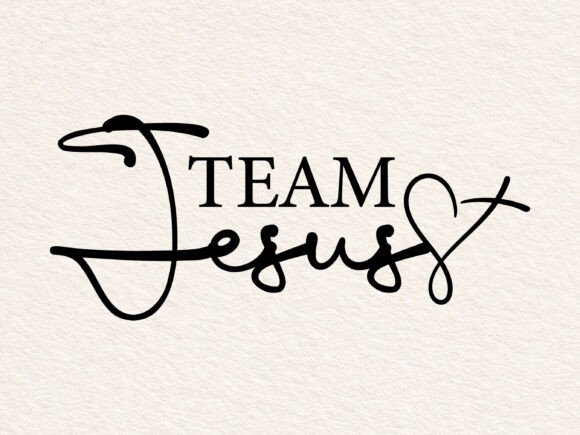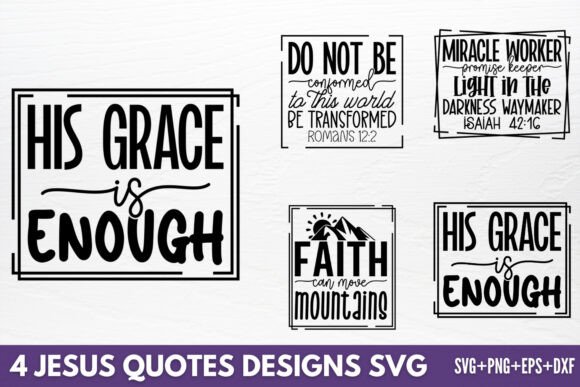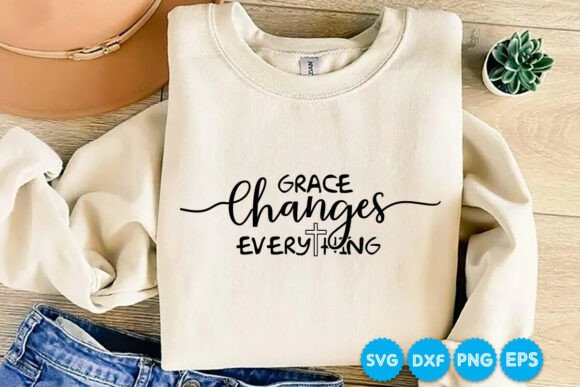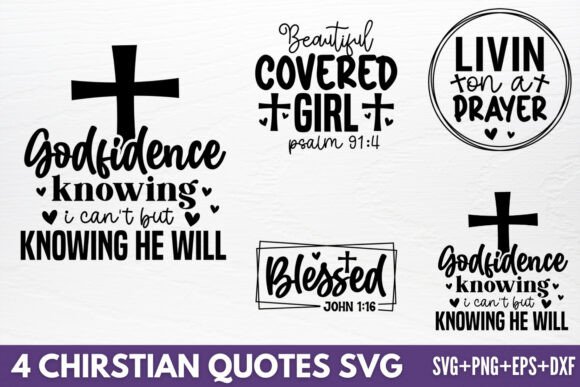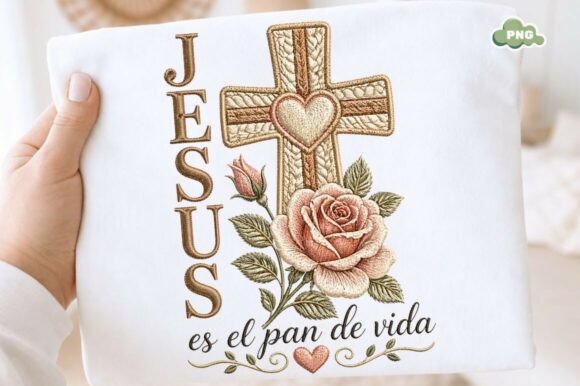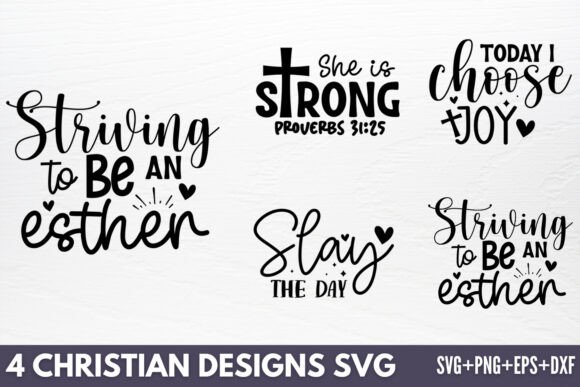
Christian Designs SVG, 4 SVG Design
A Quiet, Thoughtful Embroidery Moment—Before the Needle Moves
I pulled up Christian Designs SVG, 4 SVG Design last Tuesday while prepping a custom order: three linen tote bags for a local church nursery fundraiser. Not flashy, not urgent—but meaningful. The kind of project where the design doesn’t just sit on fabric; it carries intention. My first impression? These four designs feel like quiet reverence made visual—clean lines, balanced negative space, and motifs that breathe rather than crowd. No overwrought flourishes. No pixelated edges or jagged vectors. Just four distinct, cohesive pieces: a cross with subtle vine detail, a dove in gentle flight, a simple “Faith” script, and a stylized fish symbol—all sized thoughtfully for real-world embroidery use.
Where This Set Fits Naturally—And Where It Doesn’t Try To
This isn’t a “one-size-fits-all” bundle meant for every surface and stitch count. That’s actually its strength. Christian Designs SVG, 4 SVG Design lives comfortably in spaces where clarity and calm matter more than complexity: baby onesies (soft fill stitches hold up beautifully), cotton tea towels (the clean outlines read well at 3–4 inches wide), denim aprons (no dense satin stitch overload), and unstructured canvas totes (where texture enhances, not fights, the design). I stitched the dove motif onto a lightweight sweatshirt last week—used medium tear-away stabilizer, reduced top tension slightly, and got crisp definition without puckering. Customers noticed. Not because it shouted, but because it felt *considered*.
It’s also a strong fit for small business branding—think boutique gift tags, embroidered patches for volunteer uniforms, or subtle corner accents on pillow covers sold in faith-based home shops. As an Etsy seller myself, I appreciate how easily these translate into printable mockups: clean vector outlines mean sharp digital previews, and the consistent line weight ensures professional-looking listings without heavy editing.
Fabric & Function: Knowing When to Lean In—and When to Pause
Here’s where practical judgment kicks in. On thin or stretchy fabrics—like ribbed knit onesies or lightweight rayon blends—I’d avoid the “Faith” script unless resized above 2.75 inches. Tiny curves in the lettering can blur under tension or shift during hooping. Likewise, dense fill areas (like the center of the cross motif) need extra stabilizer on textured surfaces—towels, fleece, or terry cloth—to prevent thread sinking or skipped stitches.
Dark fabric? No problem—these designs have generous stroke width and open shapes that accept high-contrast thread without looking muddy. But I’d still test black thread on navy twill first: sometimes what looks balanced on screen loses legibility when stitched. And curved surfaces—like structured caps—require careful placement. The dove and fish symbols work best centered on flat panels (front of a cap, not the crown); the cross and script are better suited for front-of-shirt or tote placements where hoop pressure stays even.
What Happens After Stitching—Beyond the Machine
The real test isn’t just whether it stitches cleanly—it’s whether the finished product feels *worthy*. A customer buying a personalized baby blanket with the dove motif isn’t just paying for thread and time. They’re investing in symbolism, care, and quiet intention. Christian Designs SVG, 4 SVG Design supports that feeling. Its restraint builds trust: no visual noise, no rushed digitizing tells, no awkward spacing between elements. That translates directly to perceived value—especially for handmade products priced above craft-fair averages.
For craft business owners, this set also reinforces brand consistency. Whether you’re embroidering 10 holiday kitchen towels or 50 wedding guest favors, the motifs scale predictably, retain character at different sizes, and pair seamlessly with neutral thread palettes (ecru, charcoal, deep navy). That cohesion matters when buyers scroll your Etsy shop or browse your small shop shelf—it signals professionalism without shouting.
Designer Notes You’ll Actually Use—Not Just Scan
- Always test on scrap fabric first—especially if combining with applique design or layered stitches. See how the fill stitch settles on your go-to cotton blend.
- Check thread color contrast early. Run a quick black-and-white mockup of each design. If details vanish in grayscale, they’ll likely fade on dark fabric.
- Review stitch density visually. Zoom in on the SVG preview—if any area looks unnaturally thick or congested, expect denser stitching there. Adjust stabilizer accordingly.
- Confirm hoop size compatibility before committing to a large run. These designs sit comfortably in a 4x4 hoop, but double-check the largest version’s dimensions.
- Inspect small details at 200% zoom: corners on the fish symbol, curve continuity in the dove’s wing—these define polish.
- Use proper stabilizer: medium cut-away for knits, firm tear-away for stable wovens, and optional topping for napped fabrics like fleece.
- Verify licensing terms before selling finished items or bundling the files as part of a digital embroidery file pack. Crafts category listings don’t automatically grant commercial redistribution rights.
Final Thought: Not Just a Design—A Design Decision
Choosing Christian Designs SVG, 4 SVG Design isn’t about filling a slot in your embroidery library. It’s choosing clarity over clutter, reverence over repetition, and quiet craftsmanship over quick trends. It works because it respects both the machine and the maker—the small shop owner stitching late at night, the Etsy seller building a thoughtful brand, the crafter gifting something that lingers in memory longer than the thread holds. It won’t solve every embroidery challenge. But for the right project—personalized baby embroidery, holiday embroidery with heart, or small-batch custom apparel—it lands with sincerity. And in this craft business, that’s the stitch that holds longest.