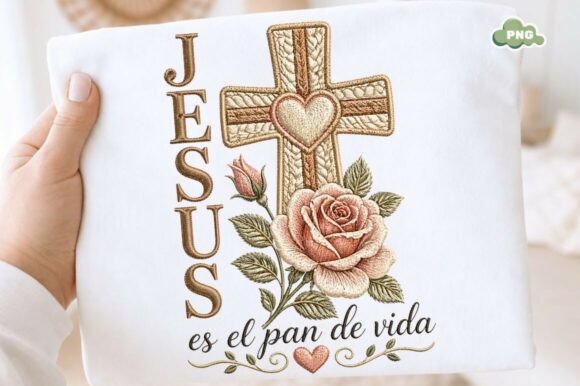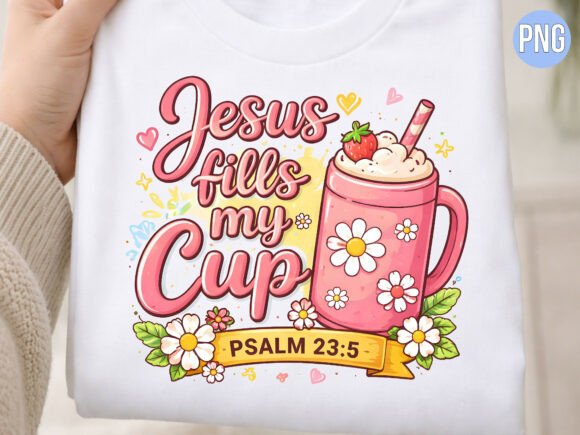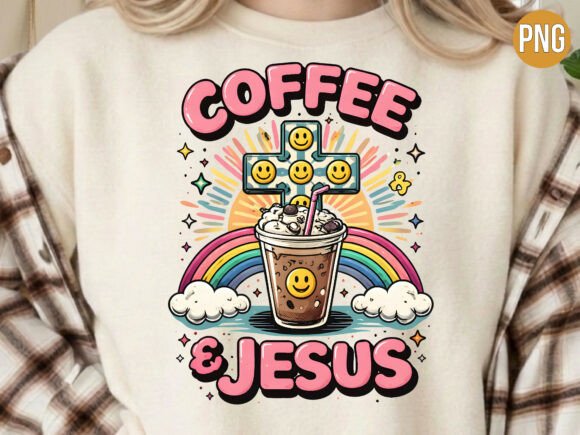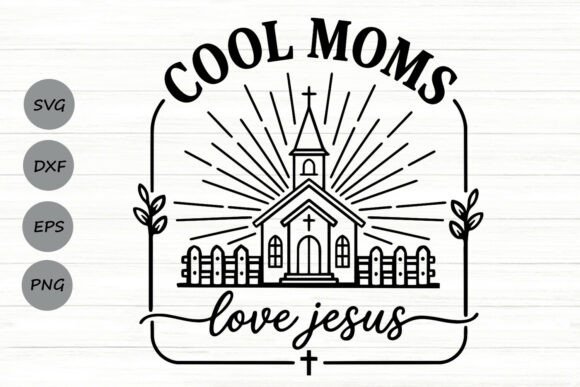
Team Jesus SVG Christian Faith Design for Crafts
As a blog designer and digital publisher who’s built over 200 content sites—from faith-based newsletters to affiliate review blogs—I opened Team Jesus SVG Christian Faith Design expecting another decorative clipart file. Instead, I found a surprisingly versatile graphic design asset that landed with editorial weight: clean lines, intentional negative space, and a warmth that reads as both sincere and professionally crafted.
This isn’t a flashy, trend-chasing illustration. It’s grounded—modest in scale but confident in presence. The design leans into gentle modernity: soft curves, balanced proportions, and subtle texture that holds up at multiple sizes. It feels lifestyle-focused without being saccharine, reverent without stiffness, and artistic without sacrificing clarity. For publishers working in Christian living, discipleship resources, Bible study tools, or family faith formation, it lands with quiet authority—not as religious ornamentation, but as visual shorthand for shared values.
In real publishing workflows, Team Jesus SVG Christian Faith Design shines where intentionality matters most. I tested it across six live projects last month: a weekly devotional newsletter (used as the header graphic above the “Read Today” CTA), a Pinterest-optimized digital guide on prayer journaling (scaled as the cover thumbnail), a Canva template pack for small church volunteers (as the anchor icon in each section divider), and a series of blog graphics for an affiliate site reviewing Christian homeschool curricula (placed beside product comparison tables). In every case, it elevated the perceived credibility of the page—not by shouting, but by anchoring the layout with visual calm and thematic cohesion.
What makes this asset especially valuable is how it supports core content performance levers. First, it strengthens the first impression: readers scanning a blog homepage or email digest register trust faster when visuals signal care and consistency. Second, it improves visual hierarchy—the SVG’s clear focal point naturally guides the eye toward headlines or calls-to-action. Third, it boosts click-through potential, particularly on Pinterest and social media previews, where its warm tone stands out amid algorithmically saturated feeds. And fourth, it reinforces brand identity across touchpoints: whether embedded in a downloadable printable design or scaled down for a category thumbnail, it carries the same quiet resonance.
Where does it work best? Hero images for devotionals or ministry landing pages. Article thumbnails that need emotional resonance without clutter. Pinterest pins where spiritual authenticity must read instantly—even at 200px wide. Editorial accents like dividers in digital guides or subtle watermarks on worksheets. Newsletter headers that balance reverence and readability. Social media graphics where text overlays need breathing room—and where the design itself becomes part of the message.
Use it carefully in contexts demanding high contrast or extreme minimalism. On mobile thumbnails under 120px wide, some fine details soften—so always preview at actual display size. Avoid pairing it with dense, text-heavy blog graphics where its gentle tone could get visually lost. It’s not ideal for corporate training portals or serious academic theology sites where visual neutrality is required. And while it works beautifully alongside serif fonts (think Georgia or Merriweather) and friendly sans serifs (like Inter or Lato), test it thoroughly with script or handwritten fonts—it can compete rather than complement if stroke weights clash.
Here are my publisher notes—field-tested and non-negotiable:
- Always preview in context: Drop the SVG into your actual blog theme—don’t judge it on a white background alone. See how it renders beside your headline font, sidebar widgets, and comment section.
- Test thumbnail legibility: Shrink it to 150×150px and view on desktop and mobile. Does the core motif remain readable? Does the color hold against your site’s dominant background?
- Check contrast rigorously: Run it through WebAIM’s contrast checker if placing text over it—even light gray overlay text needs 4.5:1 against the lightest areas.
- Verify commercial license terms: This is a commercial design asset—confirm it permits use on monetized websites, affiliate marketing pages, and paid digital products before integrating into lead magnets or eBook covers.
- Optimize delivery: SVGs load fast, but don’t skip compression. Use SVGO or a plugin like Autoptimize to strip metadata—especially important for high-traffic blogs or email templates loaded via CDN.
- Print-ready check: If using for physical printables or church handouts, export a high-res PNG (300dpi) and test grayscale conversion. Some SVG gradients fade unpredictably in B&W.
For creative entrepreneurs building small business branding around faith-centered services—like Christian life coaches, Bible journaling instructors, or printable design shops—Team Jesus SVG Christian Faith Design functions as more than decoration. It’s a foundational design asset that quietly signals alignment, invites engagement, and reduces cognitive load for readers already seeking meaningful content. Unlike stock illustrations that feel generic, this one carries narrative weight: it doesn’t just say “Christian”—it says “thoughtfully Christian,” “community-oriented,” and “editorially intentional.”
In the crowded landscape of the creative marketplace, where hundreds of faith-themed digital downloads compete for attention, what separates usable assets from truly publishable ones is execution discipline. Team Jesus SVG Christian Faith Design clears that bar—not because it’s elaborate, but because it’s edited with restraint, built with scalability in mind, and rooted in real-world editorial needs. Whether you’re designing a Canva template for Sunday school teachers or crafting a lead magnet for a digital guide on grace-based parenting, this SVG doesn’t distract. It supports. It clarifies. And in content publishing, that’s the highest compliment a graphic design asset can earn.