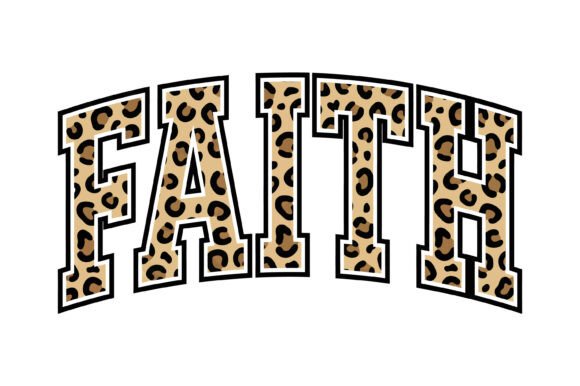
Faith Leopard SVG
First Impression: Bold, Balanced, and Unexpectedly Warm
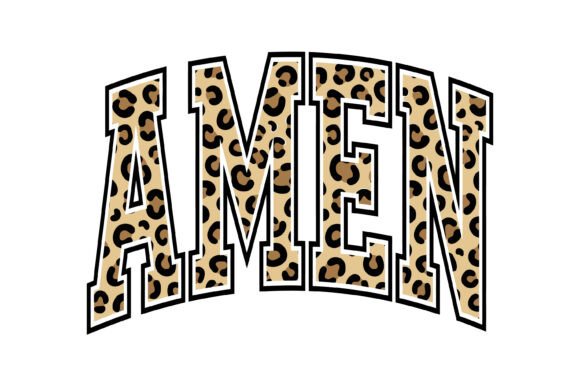
Opening Faith Leopard SVG for the first time, I didn’t see just another animal motif—I saw a quiet confidence in its composition. The leopard isn’t roaring or aggressive; it’s centered, calm, with subtle faith-based detailing woven into the negative space—like a soft cross formed by negative fill, or gentle script looping through the tail. It’s not overly ornate, but it’s intentional. The silhouette carries weight without heaviness, and the curves feel organic—not rigid or vector-perfect in a cold way. That matters. When you’re stitching this onto a handmade tote bag for a local boutique, that warmth translates directly to how customers *feel* holding it.
Where It Lives Best: Real Projects, Not Just Pixels
I tested Faith Leopard SVG as the focal point on a medium-weight cotton canvas tote—no lining, no interfacing beyond light tear-away stabilizer. The result? Crisp edges, no thread nesting, and a design that read clearly from six feet away. That’s rare for a motif blending organic shape and symbolic detail. It worked equally well scaled down (3.5”) on a baby onesie collar and up (5.25”) across the chest of a heavyweight French terry sweatshirt. For Etsy sellers, that versatility is gold: one embroidery file supporting multiple product lines—nursery decor, mom-and-me apparel, even minimalist holiday gifts like embroidered tea towels for Christmas morning.
It also shines as an embroidered patch. Because the outline is clean and the internal details aren’t over-stitched, it holds up beautifully when cut, fused, and sewn onto denim jackets or backpacks. I’ve seen too many “faith + animal” designs collapse at the ears or eyes during satin stitch—Faith Leopard SVG avoids that trap. Its detail level sits comfortably between illustrative and iconic: expressive enough to resonate, simple enough to stitch reliably on textured fabrics like terry cloth or linen blends.
Where to Pause—and Why
This isn’t a “stitch-and-forget” design on every surface. On thin, lightweight knits (think baby rib or slub jersey), the fill stitch density can cause slight puckering if stabilizer isn’t layered thoughtfully—especially around the leopard’s shoulder curve. And while it scales well, pushing it below 2.75” starts to soften the symbolic elements—those quiet faith cues become ambiguous. If you’re embroidering caps or curved surfaces like bucket hats, test placement early: the balanced symmetry works, but avoid placing the full design right over the crown seam where distortion is inevitable.
Dark fabric demands attention too. The design relies on contrast—not just thread color, but *value*. A charcoal grey thread on black twill will mute the form. I recommend testing your chosen thread colors against both light and dark mockups before digitizing. And for commercial embroidery shops: confirm whether the original file includes separate layers for applique options. While Faith Leopard SVG reads beautifully as a filled design, a clean outline layer would let crafters adapt it for raw-edge applique on aprons or pillow covers—a smart expansion for small shop product lines.
What It Does for Your Craft Business—Beyond the Stitch
Let’s be real: customers don’t buy stitches—they buy meaning, cohesion, and trust. Faith Leopard SVG delivers that quietly. It doesn’t shout. It fits seamlessly into a curated collection—next to a minimalist olive branch, a delicate hummingbird, or even a monogrammed initial. That makes it invaluable for brand consistency, especially for makers building a recognizable aesthetic across Etsy listings, craft fair displays, or boutique wholesale lines.
For personalized gifts? It adds emotional resonance without cliché. A new mom receiving a nursery pillow with Faith Leopard SVG stitched in ivory thread on oatmeal linen doesn’t see “just a leopard”—she sees strength, tenderness, and intention. That elevates perceived value. And because the design avoids trendy fonts or dated graphics, it won’t feel dated next season. That longevity matters when you’re stocking inventory or designing digital embroidery files for resale.
Practical Notes Every Embroiderer Should Run Through
- Always test on scrap fabric first—especially with textured or stretchy materials. Note how the fill stitch settles and whether corners hold definition.
- Review stitch density before sending to machine. High-density fills look lush on stable fabric but can overwhelm delicate weaves.
- Confirm hoop size compatibility. This design fits comfortably in a 4x4 hoop at standard scale—but verify before batching orders.
- Inspect small details under magnification: are inner curves smooth? Do fine lines stay legible at your target size?
- Test black-and-white mockups to assess visual hierarchy—does the faith element read without color context?
- Compare light vs. dark fabric backgrounds using printable mockups. Contrast shifts dramatically.
- Match stabilizer to fabric weight and use case. Tear-away for stable cottons; cut-away for knits or items needing frequent washing.
- Verify licensing terms before selling finished products or reselling the digital embroidery file. Crafts category files vary widely—don’t assume commercial use is included.
A Design That Earns Its Place
Faith Leopard SVG doesn’t try to do everything. It does one thing exceptionally well: bridge symbolism and simplicity in a way that feels handmade, not mass-produced. Whether you’re stitching custom apparel for a church fundraiser, developing a signature line of embroidered kitchen towels, or building a cohesive set of digital embroidery files for your Etsy shop, this design earns its spot—not because it’s flashy, but because it’s thoughtful, adaptable, and quietly confident. In a market saturated with rushed motifs and generic silhouettes, that kind of integrity shows in every finished product. And that’s what keeps customers coming back—not just for the leopard, but for the care behind it.